

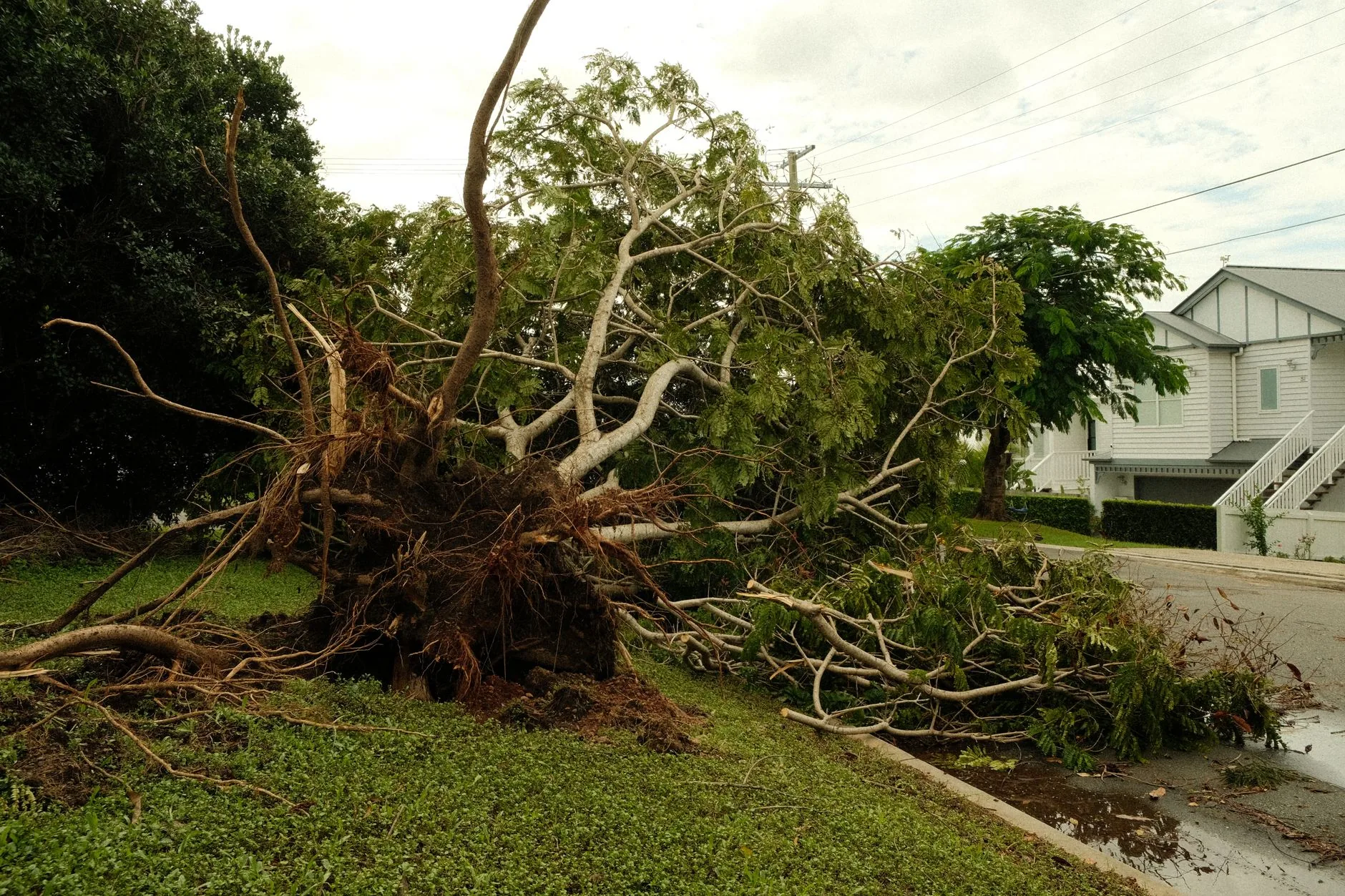
You prepared for the storm, you weathered it, and now you’re standing in front of a damaged roof, a soaked living room, or a fence in your neighbor’s yard. The next thing that happens — the insurance claim — is where thousands of dollars are either recovered or lost. And in Florida, the rules changed in recent years in ways that make how and when you file matter more than ever.
The single most important change: you now generally have just one year from the date of the storm to file your initial claim — down from two.2 Miss that window and you can forfeit your right to be paid for the damage. On the other side of the ledger, Florida law also forces your insurer to move quickly: they must acknowledge your claim within 7 days and generally pay or deny it within 60 days.1 This guide walks a South Florida homeowner through the whole process, in the order it actually happens.
One honest note up front: JCKC Financial Services is a licensed independent brokerage and a Florida notary — we are not a law firm and not a public adjuster, and we don’t adjust property claims. What we can do is help you understand your coverage before the next storm, notarize the sworn documents a claim often requires, and point you to the right professionals. Consider this an education, not legal advice.
Key takeaways
- You generally have 1 year to file an initial hurricane claim and 18 months for a supplemental claim.2
- Your insurer must acknowledge within 7 days and generally pay or deny within 60 days of a complete claim.1
- Your hurricane deductible is a percentage of your dwelling coverage (often 2%, 5%, or 10%) — not a flat dollar amount.6
- Wind and flood are two separate claims — homeowners covers wind; flood needs a separate policy.5
- A public adjuster’s fee is capped at 10% of the payment for claims filed within a year of a declared emergency.3
1. The first 48 hours: safety, documentation, and mitigation
What you do in the first two days shapes the entire claim. Three priorities, in order:
- Safety first. Stay clear of downed power lines, standing water, and structurally unsafe areas. No claim is worth an injury.
- Document before you touch anything. Photograph and video everything — wide shots and close-ups, inside and out — before you move debris or start cleaning. This is the evidence your entire claim rests on.
- Mitigate further damage. Your policy includes a duty to take reasonable steps to prevent additional damage — tarping a roof, boarding a broken window, pulling up soaked carpet. Keep every receipt; these costs are typically reimbursable. But make only temporary repairs, and don’t start permanent work until the insurer has inspected.
Don’t throw anything away yet
It’s tempting to haul damaged furniture and building materials straight to the curb. Don’t — at least not before you’ve photographed it and, ideally, the adjuster has seen it. Discarded evidence is one of the most common reasons a legitimate loss gets underpaid. If you must remove something for safety, photograph it thoroughly first.
2. The deadlines that protect you
Florida rewrote its property-insurance claim deadlines in recent years, and the clock is shorter than many homeowners realize. Put these dates on your calendar the moment a storm hits:
| Deadline | What it applies to |
|---|---|
| 1 year from date of loss | Filing your initial hurricane claim.2 |
| 18 months from date of loss | Filing a supplemental or reopened claim (when new damage surfaces).2 |
| 60 days from request | Returning a sworn proof of loss if your insurer asks for one.1 |
| 5 years from date of loss | The outer limit to file a lawsuit for breach of the policy.2 |
The takeaway is simple: file promptly. Even if you’re not sure of the full extent of the damage, opening the claim early protects your one-year window, and Florida’s supplemental-claim rules give you room to add newly discovered damage later.
3. What your insurer must do — on the clock
Florida law doesn’t just put deadlines on you; it puts them on your insurance company. Under the state’s claim-handling statute, once you file:
- The insurer must acknowledge and act on your claim within 7 days of receiving it.1
- They must generally pay or deny the claim (or part of it) within 60 days after receiving a complete proof-of-loss statement, barring factors beyond their control.1
- If they need a sworn proof of loss, they must tell you, and you generally have 60 days to provide it — which is exactly the kind of document a notary helps you execute.
“The deadlines cut both ways. You have one year to file — but once you do, the insurer is on a 7-day and 60-day clock of its own. Knowing those dates is how you keep a claim moving.”

4. Wind vs. flood: two different claims
This distinction trips up more South Florida homeowners than any other. A hurricane can damage your home two very different ways, and they’re covered by two different policies:
- Wind damage — roof torn off, windows blown in, rain entering through a wind-created opening — is generally covered by your homeowners policy.
- Flood damage — rising water, storm surge, water flowing across the ground into your home — is excluded from homeowners policies and requires a separate flood policy through the NFIP or a private insurer.5
When both happen in the same storm — which is common — you may need to file two claims with two different insurers, and each will only pay for its share. If you’re unsure whether you even have flood coverage, that’s a conversation to have before the next storm, not after. (We covered this in depth in our guide to flood insurance vs. homeowners coverage.)
5. Understanding your hurricane deductible
Here’s a number that surprises people the first time they file: your hurricane deductible is usually a percentage of your home’s dwelling coverage, not a flat dollar amount. Florida policies commonly set it at 2%, 5%, or 10% of the insured value of the structure.6
The math matters. On a home insured for $400,000, a 2% hurricane deductible is $8,000 — the amount you pay out of pocket before coverage kicks in for that storm. That’s very different from the flat deductible (often a few thousand dollars) that applies to non-hurricane claims. Know your percentage before a storm so the number doesn’t shock you afterward, and factor it in when you decide whether a smaller loss is even worth filing.
Check your declarations page now
Your hurricane deductible is printed on your policy’s declarations (“dec”) page. Pull it out today and find the percentage. If a 10% deductible would be more than you could comfortably absorb, that’s worth reviewing with your agent well before hurricane season peaks — not in the parking lot of a hardware store after the storm.
6. How to document damage the right way
Documentation is the difference between a smooth claim and a fight. Build your file like this:
- Photos and video of every damaged area — wide context shots plus close-ups — ideally date-stamped, taken before any cleanup or temporary repair.
- A home inventory of damaged contents: item, approximate age, and estimated value. Photos of receipts, serial numbers, or the items in better days help.
- Receipts for tarps, boards, a generator, a hotel stay, and any emergency repair — these support both your mitigation costs and your loss-of-use claim.
- A claim diary: every call, who you spoke with, the date, and what was said or promised. If a dispute arises later, this record is invaluable.
Don’t overlook Additional Living Expenses (ALE), also called Loss of Use. If your home is uninhabitable, your homeowners policy typically helps with the extra cost of living elsewhere — a hotel, a short-term rental, even meals above your normal spending — while repairs happen. Keep every receipt.
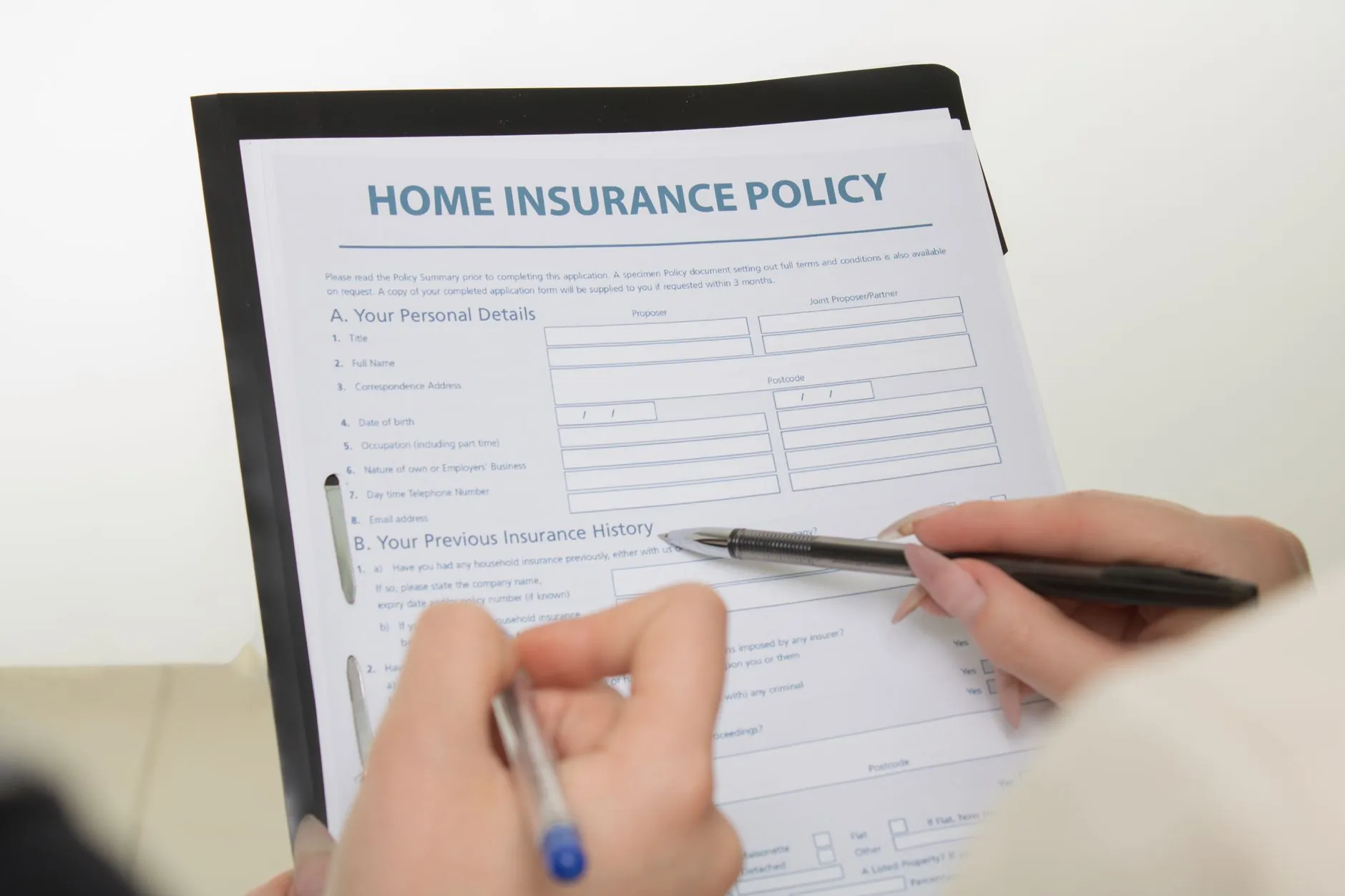
7. The adjuster visit — and public adjusters
After you file, your insurer sends a company adjuster to inspect. This person works for the insurance company. Be present if you can, walk them through every area of damage, hand them your photo file, and don’t assume they’ll spot everything — point out what you see.
If your claim is large, complex, or you feel the company’s offer is too low, you can hire a public adjuster — a licensed professional who works for you, not the insurer, and negotiates the claim on your behalf. Florida caps what they can charge: for a claim tied to a declared state of emergency (like a hurricane), a public adjuster’s fee is limited to 10% of the claim payment for the first year after the declaration, and up to 20% for other claims.3 Most work on contingency — a share of what they recover.
Verify any license before you sign
After every major storm, unlicensed “adjusters” and contractors appear offering to handle your claim. Only a licensed public adjuster or a licensed attorney can negotiate a claim for you. You can verify a Florida license through the Department of Financial Services before signing anything — and never sign over your claim rights without understanding exactly what you’re agreeing to.
8. Why claims get denied or underpaid
Most claim problems trace back to a short list of avoidable issues. Watch for these:
- Filing too late — missing the one-year window is the most final mistake of all.
- Thin documentation — no “before” photos, discarded evidence, or no inventory.
- Wrong policy — filing flood damage under a homeowners policy (or vice versa), so the right coverage never gets triggered.
- Deferred maintenance — insurers may deny damage they argue was pre-existing wear, not storm-caused. Dated photos of your home’s good condition before the storm help rebut this.
- Gaps in the paper trail — no receipts for repairs or living expenses, or no record of your calls with the insurer.
If your claim is denied or underpaid and you believe it’s wrong, you have options: request the denial in writing and the specific policy language behind it, file a supplemental claim if new damage appears, bring in a public adjuster, or consult a licensed attorney. Florida also lets you file a Civil Remedy Notice that gives the insurer a chance to cure before certain legal actions — another reason your written record matters.
9. A South Florida lens
A few realities make claims different here in Broward County:
- Peak season is now. South Florida’s highest storm risk runs from mid-August through October, so the claim process is a live possibility every year — not a hypothetical.
- Wind and water. Our low, coastal geography means many homes face both wind and flood exposure — and, potentially, two separate claims.
- Language matters. A claim is stressful enough without a language barrier. We help clients understand their coverage and paperwork in English, French, Creole, and Spanish.
- Notarized documents. Sworn proofs of loss and claim affidavits often need notarization — a service we provide locally, in the language you’re comfortable with.
One team, four languages
Facing a storm claim — or want to be ready before the next one?
We’ll help you understand your coverage, review your deductible, and notarize the documents your claim needs — in English, French, Creole, or Spanish.
10. Your step-by-step claim checklist
- Stay safe and avoid hazards before anything else.
- Document everything — photos and video, inside and out, before cleanup.
- Make temporary repairs to prevent further damage; keep all receipts. Hold off on permanent work until the insurer inspects.
- File your claim promptly — protect the one-year window even if the full damage isn’t yet clear.
- Track the insurer’s deadlines — 7-day acknowledgment, 60-day decision.
- Separate wind and flood — file with the right policy (or both).
- Know your hurricane deductible (the percentage) before you expect a payment.
- Complete a sworn proof of loss if requested — get it notarized, on time.
- Keep a claim diary of every call and offer.
- Escalate if needed — supplemental claim, licensed public adjuster, or attorney.
11. Frequently asked questions
How long do I have to file a hurricane claim in Florida?
Generally one year from the date of loss for an initial claim, and 18 months for a supplemental or reopened claim. These windows are shorter than they used to be, so file promptly — even if you’re still assessing the full damage.
How fast does my insurance company have to respond?
Under Florida law, your insurer must acknowledge and act on your claim within 7 days of receiving it, and generally pay or deny it within 60 days after receiving a complete proof of loss, absent circumstances beyond their control.
Why is my hurricane deductible so high?
Because it’s usually a percentage of your dwelling coverage (commonly 2%, 5%, or 10%), not a flat dollar amount. On a home insured for $400,000, a 2% deductible is $8,000. It’s listed on your policy’s declarations page — check it before a storm.
Do I need a public adjuster?
Not always. For a straightforward claim, you may not. For a large, complex, or disputed claim, a licensed public adjuster works for you and negotiates with the insurer. For a hurricane (declared emergency), their fee is capped at 10% of the payment for the first year after the declaration. Always verify the license first.
My homeowners policy denied my water damage — why?
Often because it was flood damage (rising water / storm surge), which homeowners policies exclude. Flood requires a separate policy through the NFIP or a private insurer. A single storm can cause both wind and flood damage, requiring two separate claims.
Can JCKC file my property claim for me?
No — we’re a licensed insurance brokerage and Florida notary, not a public adjuster or law firm, so we don’t adjust property claims. We can help you understand your coverage, review your deductible before a storm, notarize your proof-of-loss and claim affidavits, and point you to the right licensed professionals.
What we'll do for you
JCKC Financial Services is an independent brokerage based in Broward County. We help South Florida families with the financial side of life — Medicare, ACA / Obamacare, life insurance, tax preparation, and notary services — in English, French, Creole, and Spanish. A hurricane claim is one of the most stressful financial moments a family can face; while we don’t sell property, flood or homeowners insurance and don’t adjust property claims, we can help make sure you understand your coverage, help you get your documents in order, and notarize the sworn statements your claim requires.
The best time to get ready is before the storm. Bring us your policy and we’ll help you understand your hurricane deductible, confirm whether you carry flood coverage, and make a simple documentation plan — so if a claim ever comes, you’re filing from a position of strength.
Have questions, or need a document notarized? Schedule a consultation or call (954) 825-9923. We’ll meet you in the office, online, or in the language you’re most comfortable with.
12. Sources
- The Florida Legislature. Statute §627.70131 — Insurer’s duty to acknowledge and act on claims (7-day acknowledgment, 60-day pay/deny). flsenate.gov/Laws/Statutes/2024/627.70131
- The Florida Legislature. Statute §627.70132 — Notice of property insurance claim (1-year initial / 18-month supplemental). flsenate.gov/Laws/Statutes/2024/627.70132
- The Florida Legislature. Statute §626.854 — Public adjusters; fee caps (10% during a declared emergency). flsenate.gov/Laws/Statutes/2024/626.854
- Florida Department of Financial Services (MyFloridaCFO). Consumer help — filing an insurance claim after a hurricane. myfloridacfo.com/division/consumers
- FEMA. Flood Insurance — what homeowners policies exclude (wind vs. flood). fema.gov/flood-insurance
- Florida Department of Financial Services (MyFloridaCFO). Hurricane deductibles & homeowner claim information. myfloridacfo.com/division/consumers
Disclaimer: JCKC Financial Services is a licensed independent insurance brokerage that also provides tax preparation and notary services. We are not a law firm, not a public adjuster, and we do not adjust or file property-insurance claims, provide legal advice, or represent policyholders against insurers. Florida’s claim deadlines, insurer duties, deductible rules, and public-adjuster fee caps are set by state law and may change; the figures here reflect Florida law as published for 2026 and may be revised. This article is general information only and is not legal, tax, financial, or insurance advice or a substitute for guidance from a licensed professional about your specific situation. Always read your own policy and confirm current deadlines with your insurer or the Florida Department of Financial Services.